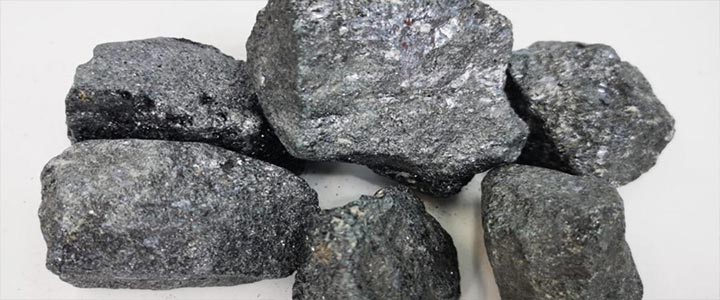
BOF steelmaking is a steelmaking method that uses molten iron, scrap steel, and ferroalloys as its primary raw materials. It relies on the physical heat of the molten liquid and its components to generate heat, rather than smelting energy. It is primarily used to refine metals such as carbon steel, alloy steel, copper, and nickel. The newly developed Silicon Carbon Alloy BOF steelmaking process is particularly suitable for enhanced deoxidation, resulting in fully purified molten steel.
Silicon carbide is an excellent new alloy deoxidizer. The development and promotion of new silicon-carbon alloy materials is of great practical significance to steel production. Silicon Carbon Alloy is a new BOF alloy. Wholesalers primarily produce Silicon Carbon Alloy for use in BOF deoxidation alloying, replacing ferrosilicon, silicon carbide, and recarburizers.
Features: Silicon Carbon Alloy reduces steelmaking costs, improves economic efficiency, enhances quality, and stabilizes production.
1. Reduces alloy consumption and improves overall metal properties, thereby reducing production costs.
2. Reduces impurity content in steel and improves molten steel fluidity. This method is highly beneficial for converter steel continuous casting.
This method simplifies operations, reduces labor intensity, and improves efficiency.
Instructions: Add Silicon Carbon Alloy to the ladle before tapping, followed by ferrosilicon, ferromanganese, or aluminum. Molten steel at the transfer station should be over-oxidized and subjected to low-carbon treatment. Add a silicon-based alloy (the silicon content should be between 35-50%, with a silicon content between 15-25%; excessive addition is recommended). Alternatively, the amount may need to be adjusted based on the application. For more information, please contact us.


 English