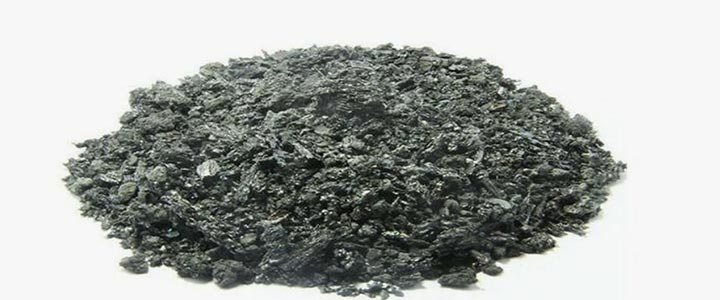
Traditionally, Silicon Carbide manufacturers used it for high-temperature applications such as bearings, mechanical parts, automotive brakes, and even molds. Silicon Carbide offers the following advantages in electronics and semiconductors:
- High thermal conductivity of 120-270 W/mK - Low thermal expansion coefficient of SiC (10^-6/C) - High maximum current density. These properties make SiC an excellent SiC material, especially compared to SiC. Due to its material properties, Silicon Carbide offers significant advantages in high power, high current, and high thermal conductivity.
In recent years, Silicon Carbide has been widely used in the semiconductor industry for high-power devices, MOSFETs, Schottky diodes, power modules, and other applications. Although more expensive than conventional 900V silicon MOSFETs, Silicon Carbide can achieve 10 times the peak voltage.
Switching losses are also low, and it can support higher operating frequencies, enabling SiC to achieve current efficiency, especially above 600V. Adopting appropriate process methods can reduce losses in Silicon Carbide devices by nearly 50%, reduce system volume by 300%, and lower total system costs by 20%. The reduction in overall silicon carbide system size has significantly expanded its applications in terms of mass and space savings.


 English