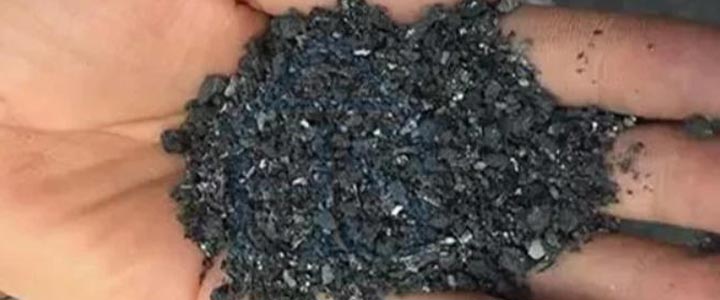
Silicon Carbide, also known as SiC, is a semiconductor substrate composed of pure silicon and pure carbon. Nitrogen and phosphorus are mixed in SiC to form an n-type semiconductor, or with beryllium, boron, aluminum, or gallium to form a p-type semiconductor. While Silicon Carbide is available in many varieties and high purity, semiconductor-grade Silicon Carbide has only been available in recent decades.
A relatively simple method for making Silicon Carbide is to melt silica sand and carbon (such as coal) at a temperature of 2500°C. Dark and ordinary Silicon Carbide often contains iron and carbon impurities, but pure Silicon Carbide is colorless when sublimated at 2700°C. After heating, the crystals are deposited on graphite at a lower temperature.
The Lely method: In this process, a granite crucible is heated by induction to produce a high-temperature sublimated Silicon Carbide powder. A graphite rod is then floated in the gas mixture at a low temperature, where the pure Silicon Carbide naturally accumulates into crystals.
Chemical Vapor Deposition: Manufacturers can also grow cubic SiC using chemical vapor deposition, a method commonly used in carbon-based synthesis processes and the semiconductor industry. A special mixture of chemical gases is introduced into a vacuum environment and combined before being deposited onto the substrate.
Both methods for producing silicon carbide wafers require significant energy, equipment, and expertise to successfully produce them. For more information, please contact us.


 English