

 Email:contact@globalalloymaterial.com
 Whatsapp: +86 166 2709 5858


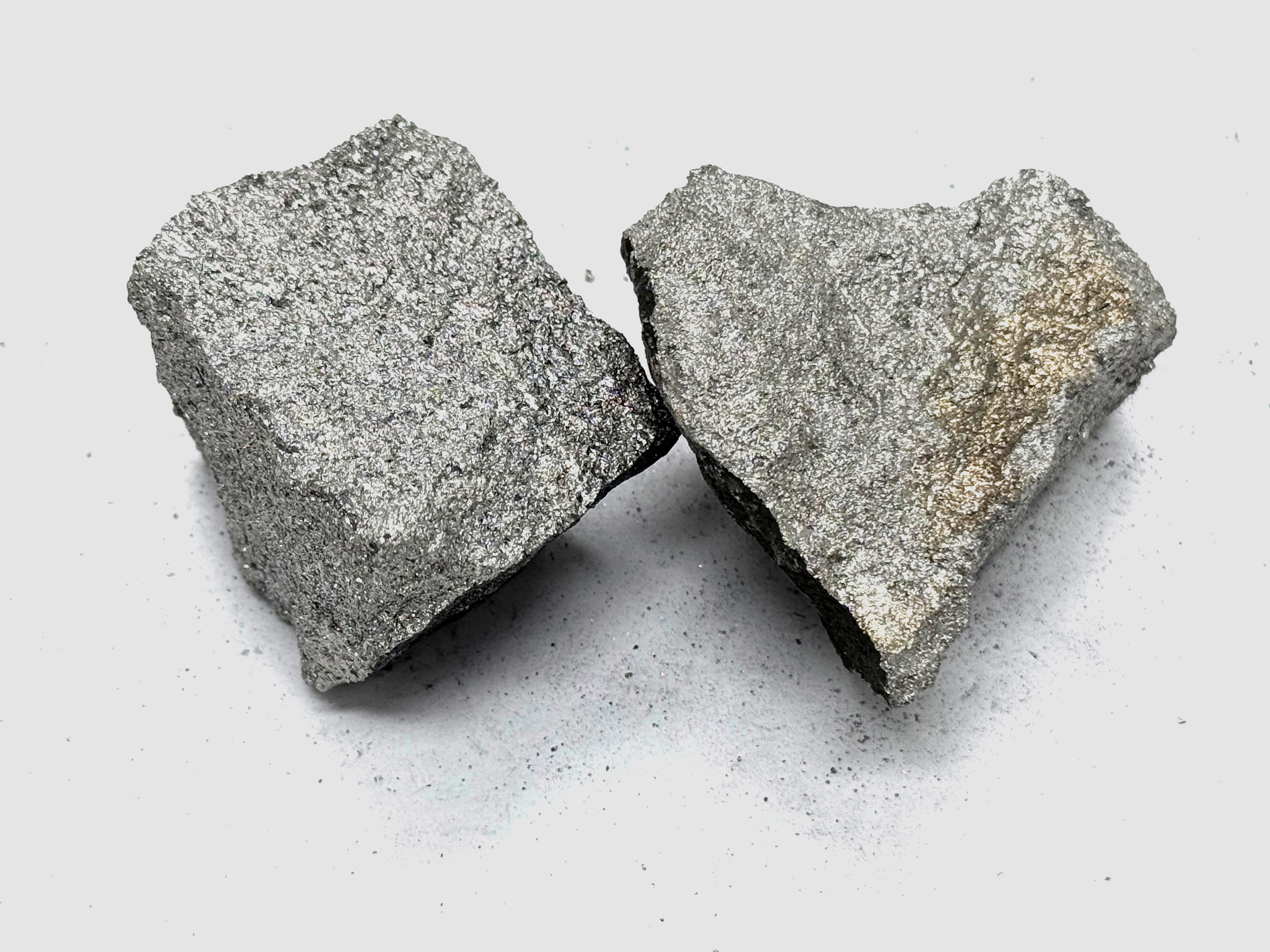
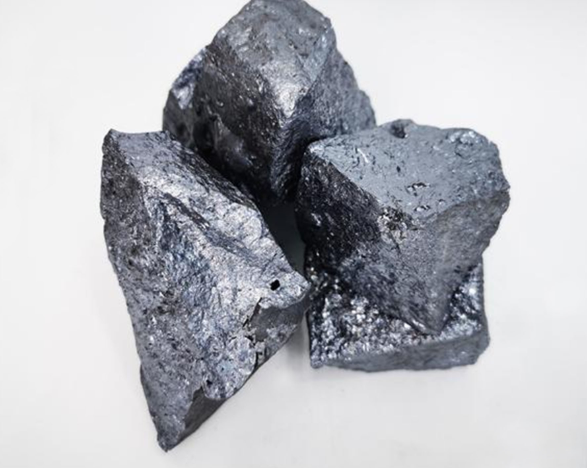
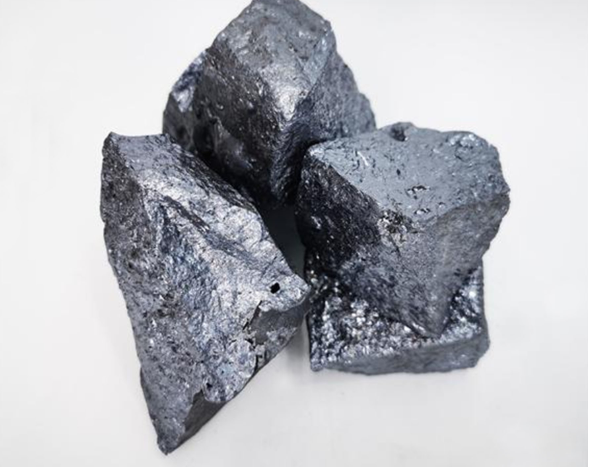
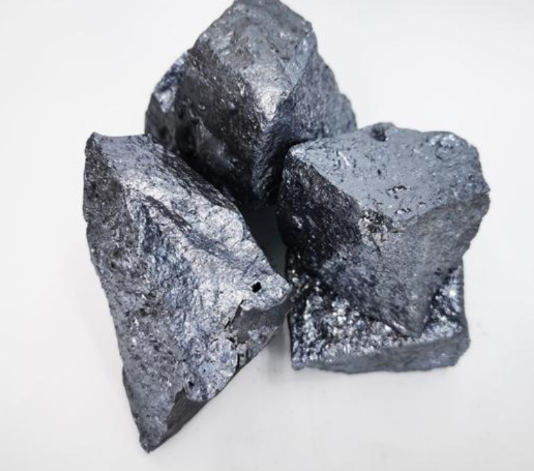
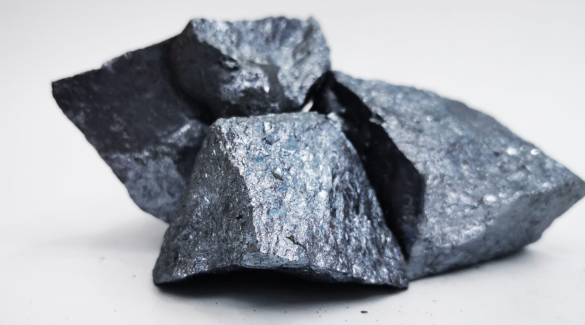
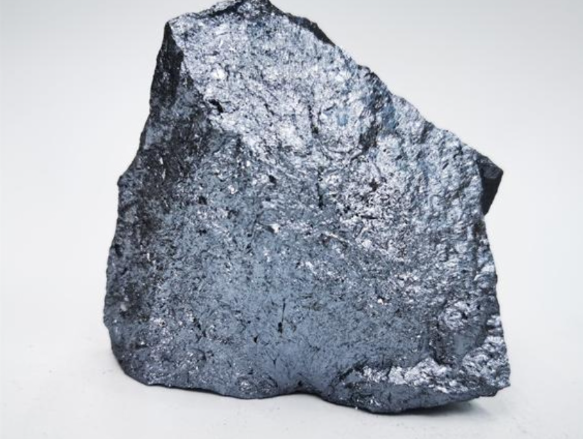
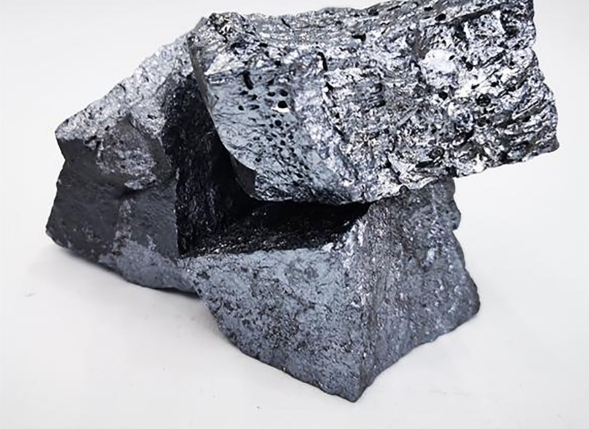
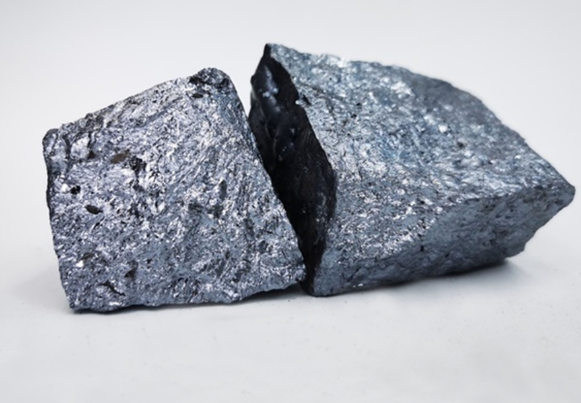
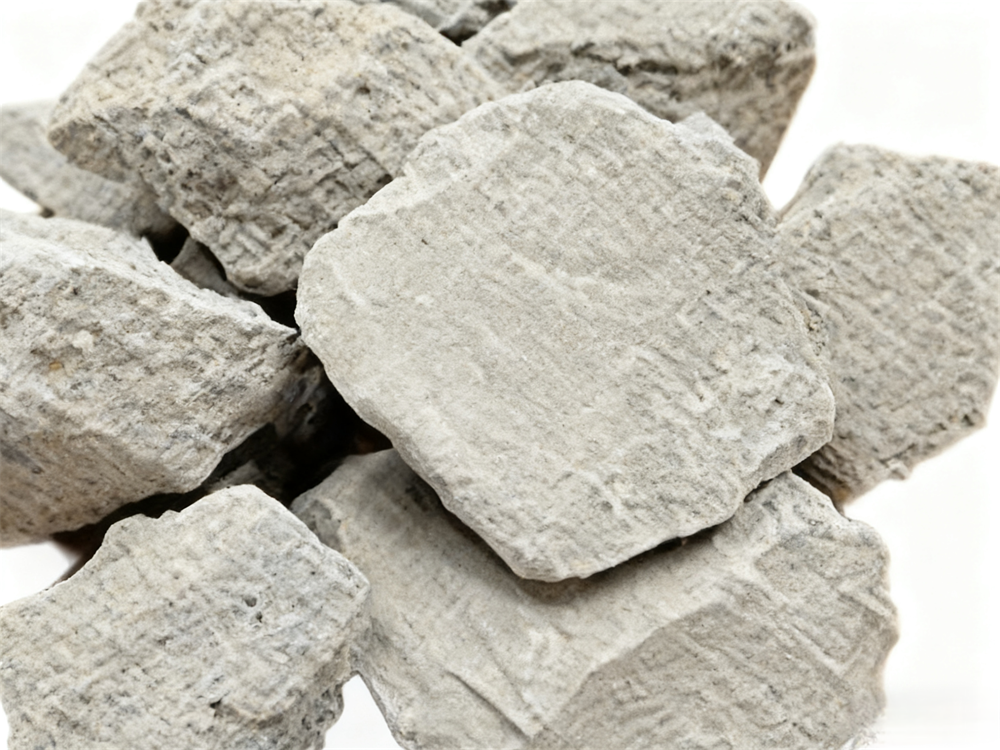
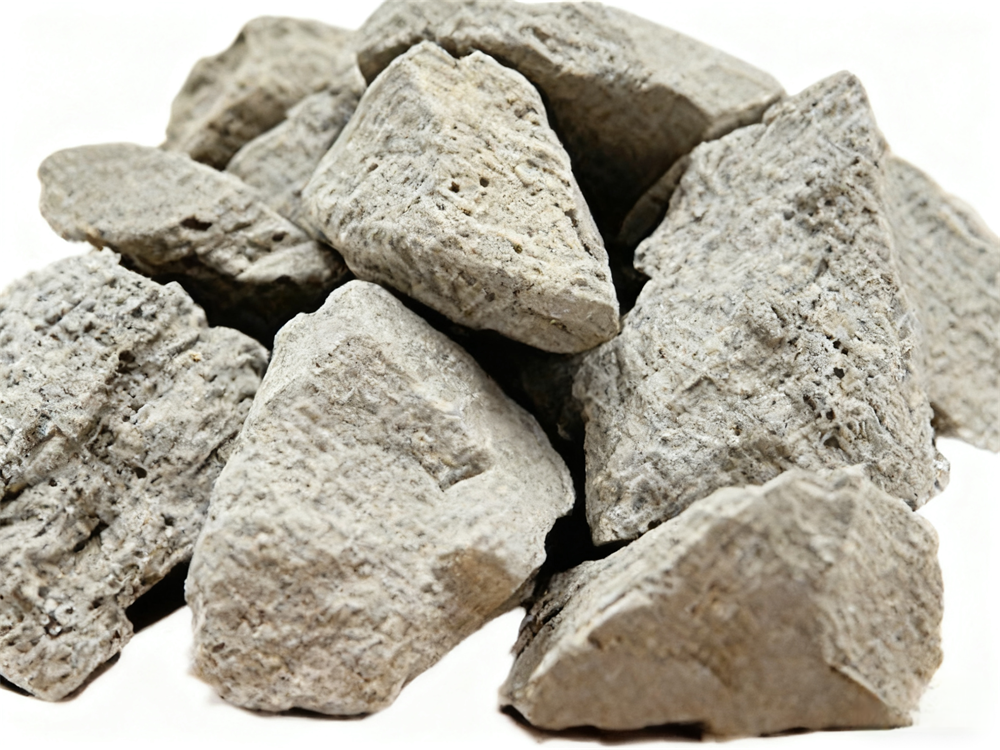
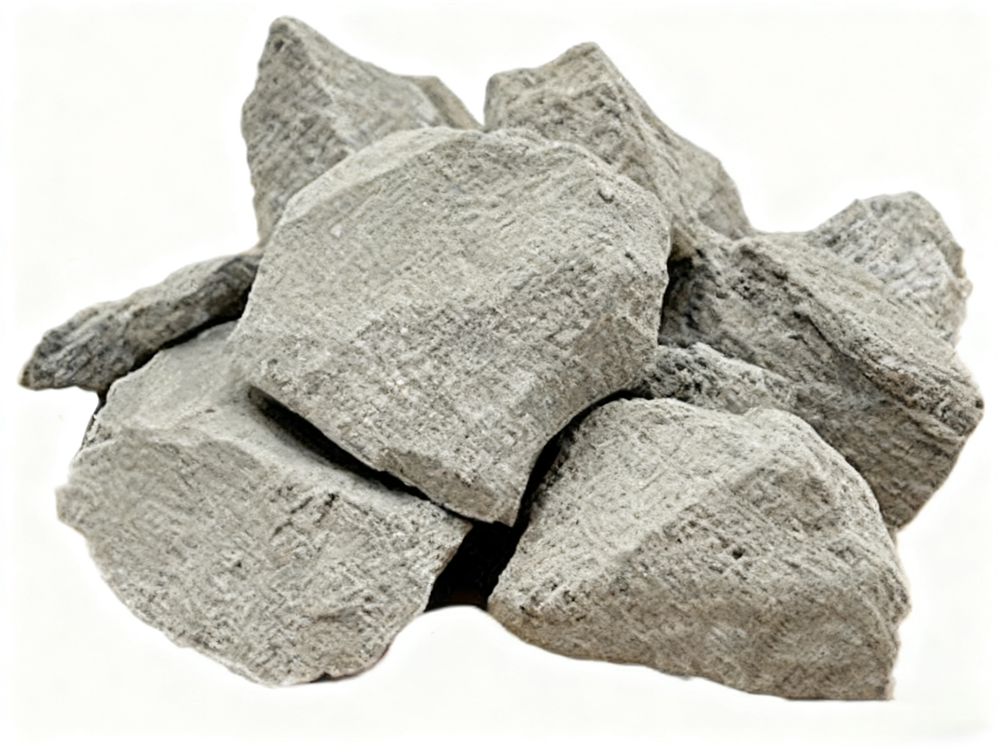
Ferro Silicon Nitride is a composite material composed of iron, silicon, and nitrogen. It's produced by reacting ferrosilicon with nitrogen at high temperatures, leading to nitrogen atoms diffusing into the ferrosilicon lattice. This material is known for its high hardness, temperature resistance, and corrosion resistance, making it valuable in various industrial applications.
Key Properties and Applications:
High Hardness and Wear Resistance:
Ferro Silicon Nitride's strength and resistance to wear make it suitable for use in cutting tools, grinding wheels, and other applications where durability is crucial.
High Temperature Resistance:
Its ability to withstand high temperatures makes it a good choice for refractory materials used in blast furnaces and other high-temperature industrial processes.
Corrosion Resistance:
Ferro Silicon Nitride's resistance to corrosion and chemical attack is beneficial in demanding environments.
Alloying Agent and Deoxidizer:
In steelmaking, it can be used as a deoxidizer and to adjust the chemical composition of steel, improving its strength and other properties.
Refractory Material:
Ferro Silicon Nitride is used in taphole mud for blast furnaces, iron trench materials, and other refractory applications.

Ferro Silicon Nitride is typically synthesized by:
1. Nitriding Ferrosilicon:
Ferrosilicon is subjected to a high-temperature nitrogen atmosphere, allowing nitrogen to react with the silicon in the alloy.
2. SHS (Self-propagating High-temperature Synthesis):
This method involves a combustion reaction that creates Ferro Silicon Nitride.
Comparison with Silicon Nitride:
While both Ferro Silicon Nitride and silicon nitride are used in high-temperature and wear-resistant applications, Ferro Silicon Nitride is often a more cost-effective option with similar performance characteristics.
In summary, Ferro Silicon Nitride is a versatile material with a unique combination of properties, making it valuable for a wide range of industrial applications, particularly in metallurgy and refractory materials.
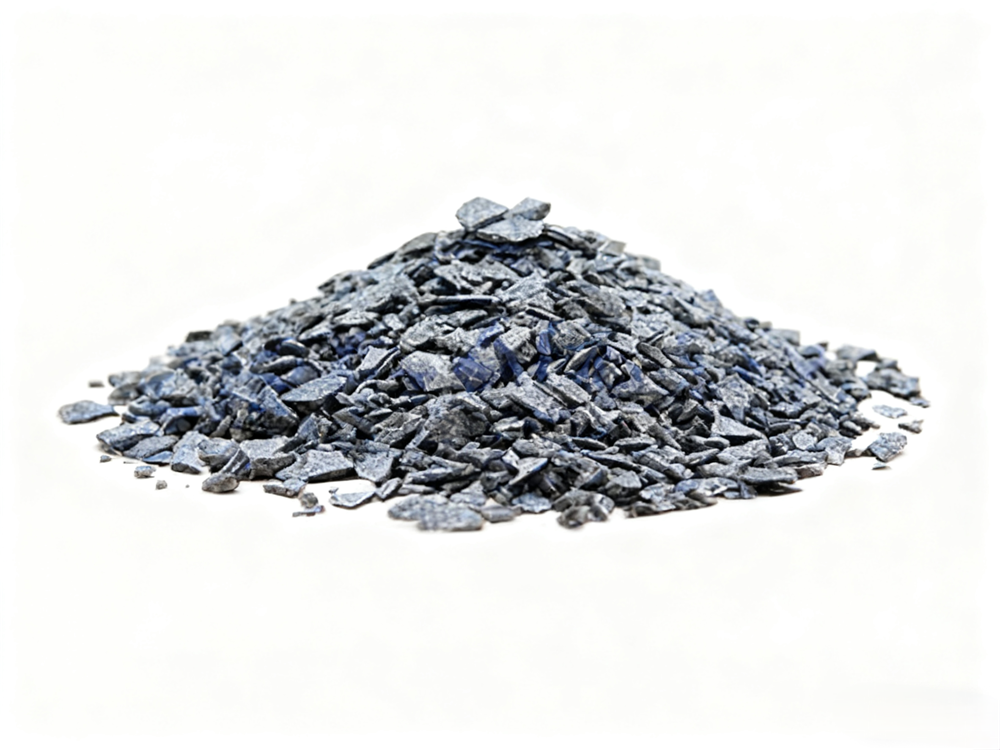
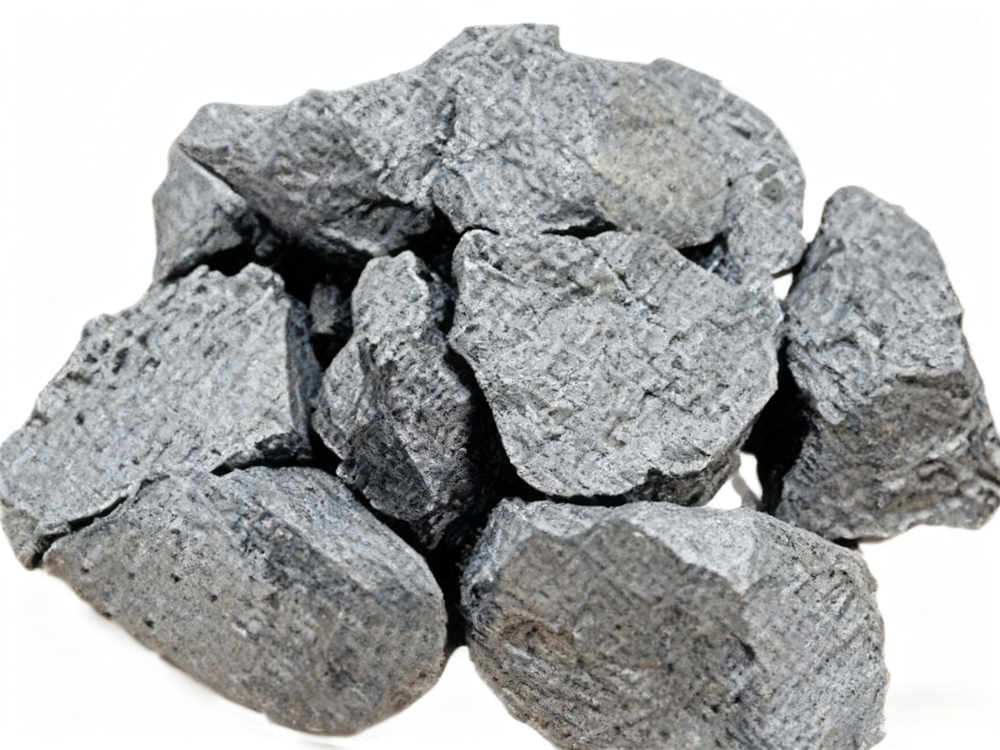
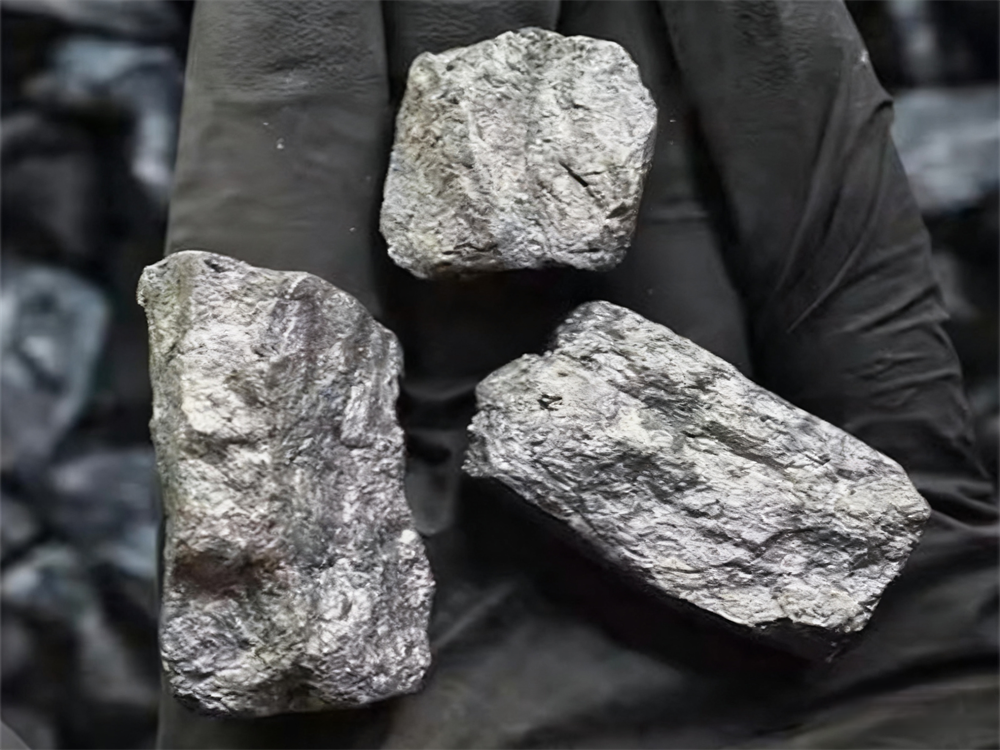
It is usually in the form of off-white powder or brown powder, with a particle size of ≤0.074mm, and some uses require ≤0.045mm.




 English






 Related Products
 Product Message
 Description
 Technical Specifications
 Advantages
 FAQ
FAQ