

 Email:contact@globalalloymaterial.com
 Whatsapp: +86 166 2709 5858


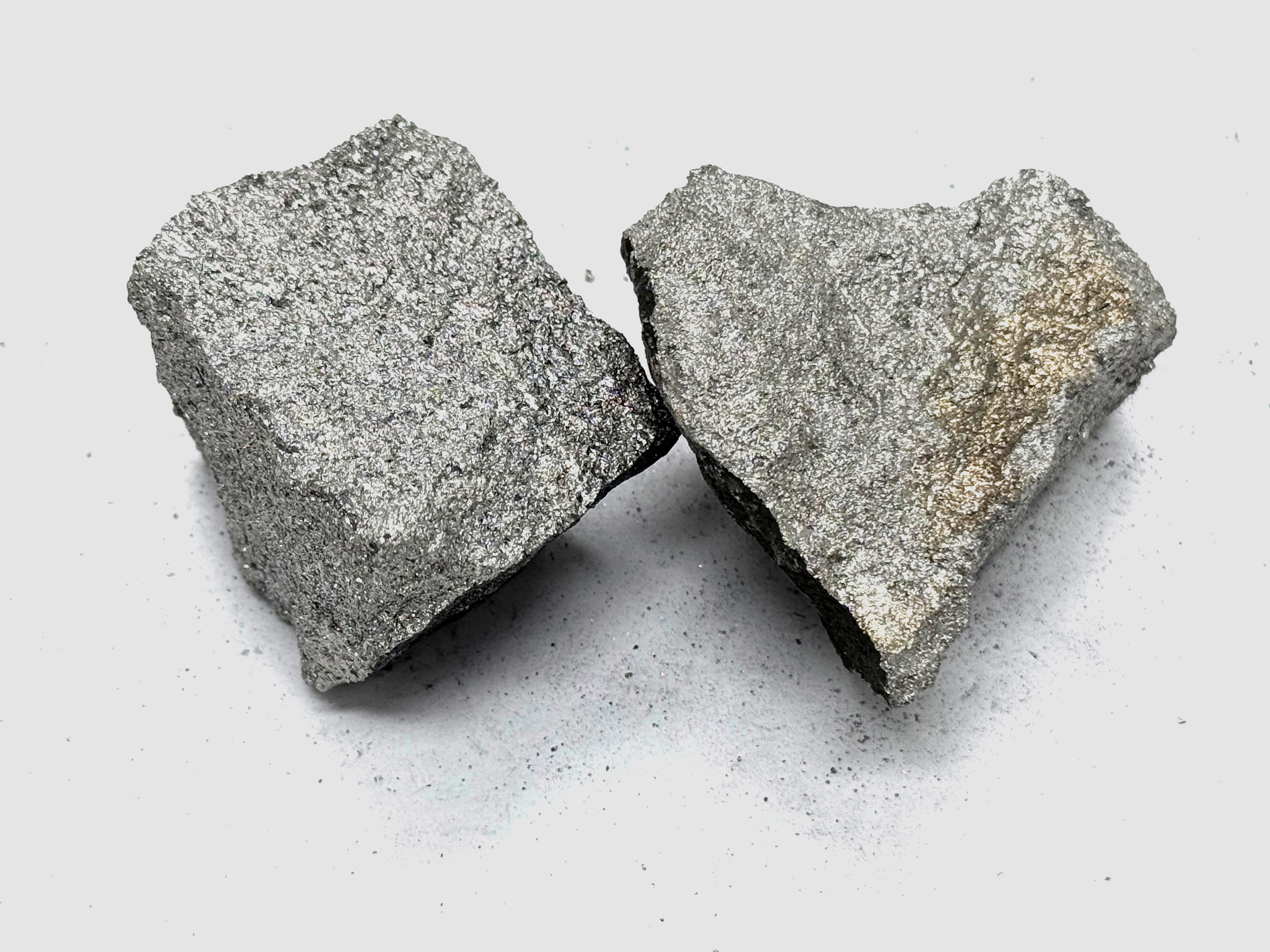
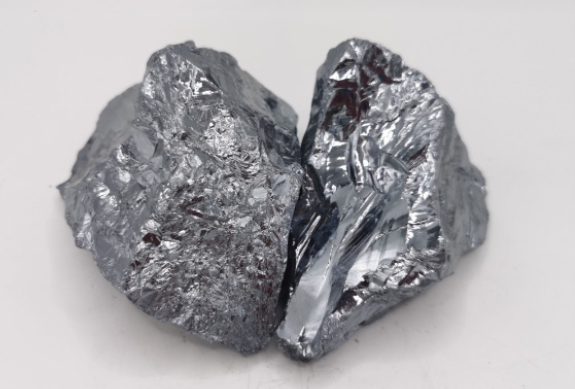
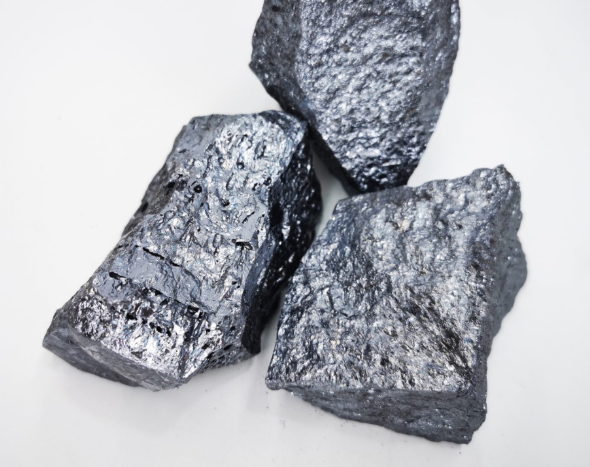
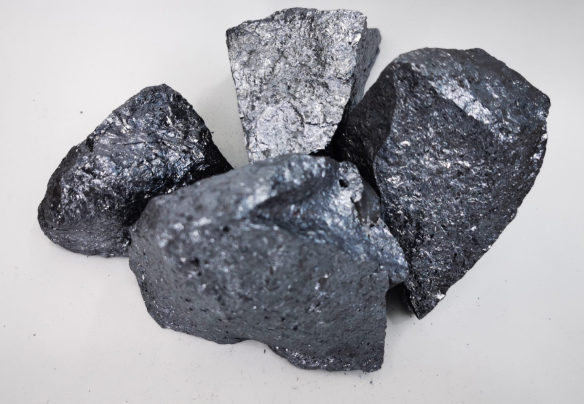
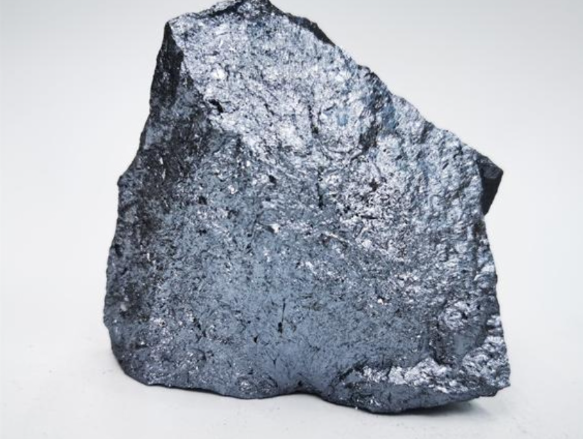
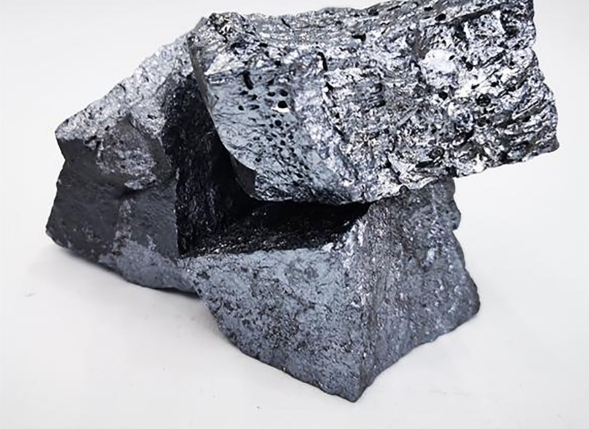
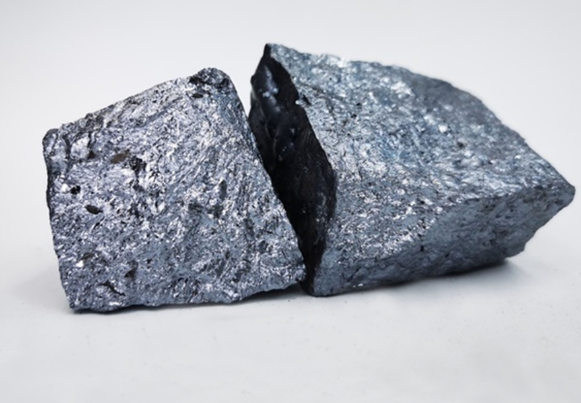
In steel smelting, the application of Steelmaking High Magnesium Alloy is mainly concentrated in the field of surface treatment, mainly used to improve the corrosion resistance of steel.
The following are specific applications:
The role of Steelmaking High Magnesium Alloy in smelting:
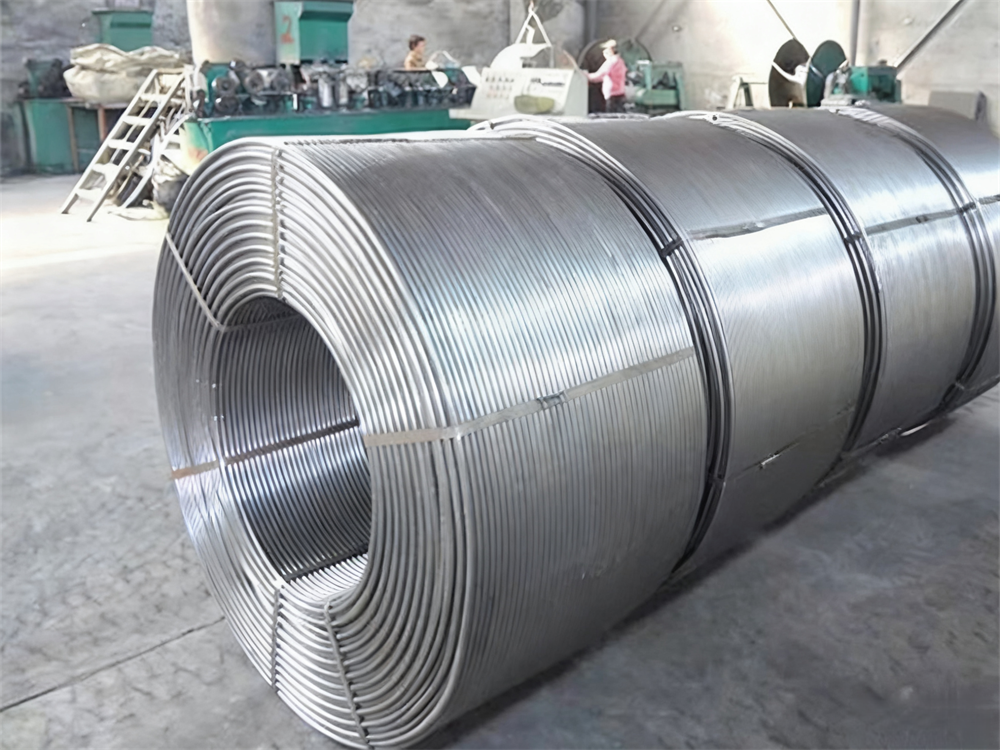
Adding magnesium alloys (such as Ni-Mg-Fe master alloys) during steel smelting can achieve desulfurization and deoxidation effects, but there are problems such as violent reactions, low magnesium yields and instability. Experiments show that by improving the process, stable dissolution of magnesium can be achieved, and the cleanliness and microstructure of steel can be significantly improved, but the industrial application plan still needs to be further optimized.
Steelmaking High Magnesium Alloy Features:
As the lightest metal structural material, magnesium alloy has high strength, corrosion resistance and electromagnetic shielding properties, and is widely used in aerospace, transportation, military and other fields. However, direct application in steel smelting still needs to solve technical problems such as reaction control.
Steelmaking High Magnesium Alloy is used in steelmaking, mainly for desulfurization of molten steel and improvement of steel microstructure.
Specific application scenarios:
Desulfurization treatment
Magnesium can be used as a desulfurizer in the steelmaking process, reacting with sulfur in molten steel to form magnesium sulfide (MgS), effectively removing the sulfur content in molten steel. Experiments show that the sulfur content in steel is significantly reduced after adding magnesium treatment, and the desulfurization effect is better than calcium carbide.
Improving microstructure
Magnesium-containing alloys (such as Ni-Mg-Fe system or Ni-Mg-Mo-Fe system) can be used to prepare intermediate alloy briquettes. After adding molten steel, the composition of inclusions can be changed, and the single-phase Al₂O₃ and MnS can be transformed into composite inclusions with MgS or MgO as the core, thereby improving the cleanliness of steel.
Note:
Magnesium reacts violently with molten steel, and the amount added must be controlled in the form of metal powder or intermediate alloy (such as 5% magnesium content) to avoid safety problems caused by direct addition.
The yield of magnesium exceeded the preset value in the experiment, but actual application requires a balance between cost and effect. The technical specifications of Steelmaking High Magnesium Alloy vary depending on the specific type and application field. The following are the technical specifications of the main types:
High-purity magnesium alloy:
Purity grade: 4N grade (≥99.99%), 4N5A grade (≥99.995%), 5N grade (≥99.999%)
Impury control: Iron content ≤10ppm, nickel content ≤100ppm
Application: Aerospace (satellite brackets, engine casings), military equipment, medical devices (orthopedic implants, cardiovascular stents).
Rare earth magnesium alloy:
Typical grade: M11811 (containing rare earth elements such as Y and Nd).
Chemical composition: Mg balance, rare earth RE 1.5-2.5% (mainly Y+Nd), Zn 0.5-1.2%, Zr 0.4-1.0%.
Mechanical properties:
Cast tensile strength 280-320MPa, yield strength 180-220MPa.
T5 tensile strength 340-380MPa, T6 tensile strength 380-420MPa 2.
Corrosion resistance: Salt spray test corrosion rate ≤0.15mg/cm²/day.
AlMg4.5Mn aluminum alloy:
Mechanical properties: tensile strength 165-265MPa, yield strength ≥90MPa.
Corrosion resistance: Corrosion rate in 3.5% NaCl solution <0.008mm/year.
Low-temperature toughness: -269℃ impact toughness retention rate >92% 3.
The above data summarizes the technical specifications of different magnesium alloys, and the specific selection needs to be combined with the application scenario and performance requirements.




 English







 Related Products
 Product Message
 Description
 Technical Specifications
 Advantages
 FAQ
FAQ