

 Email:contact@globalalloymaterial.com
 Whatsapp: +8613652055106


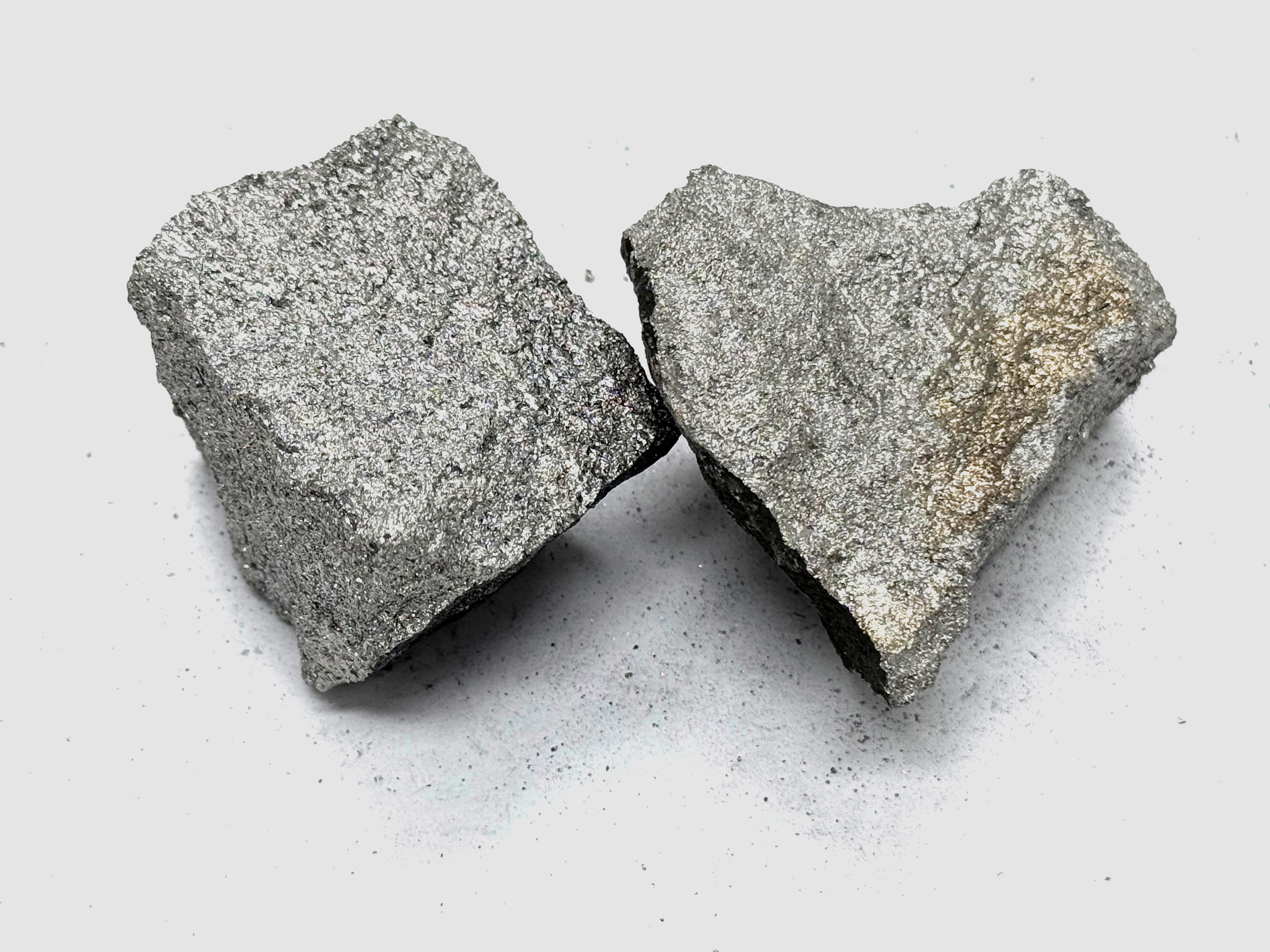
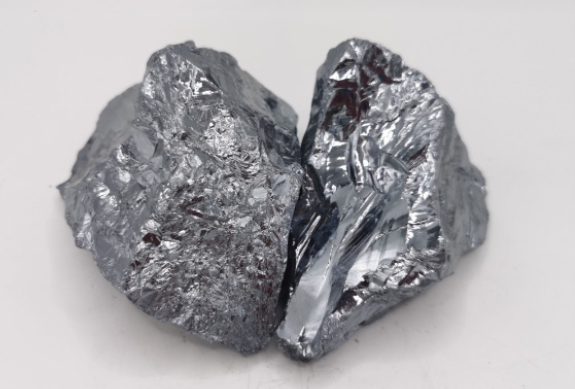
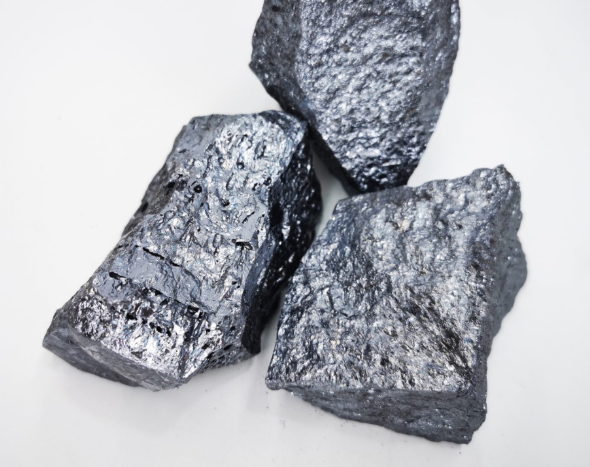
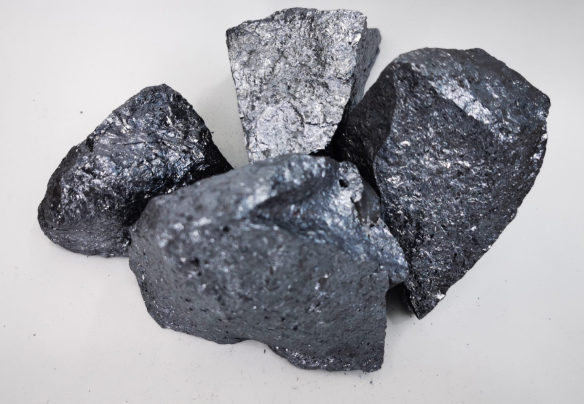
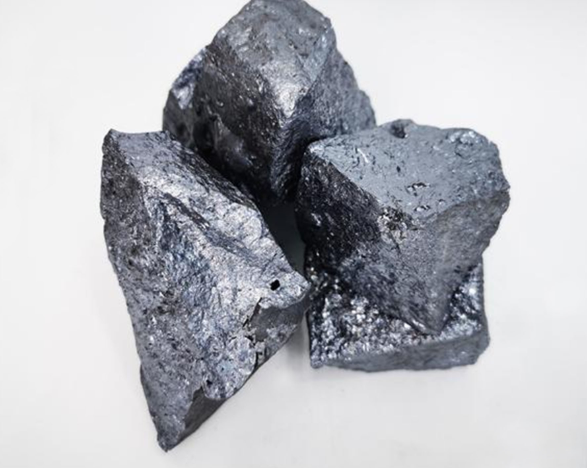
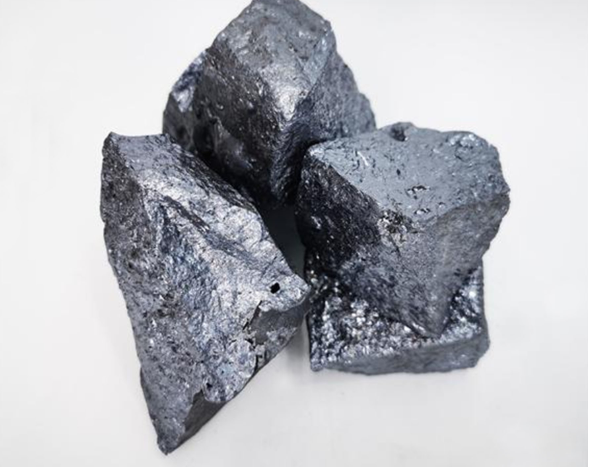
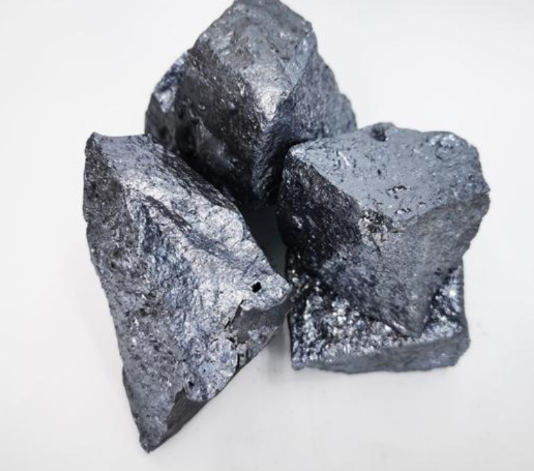
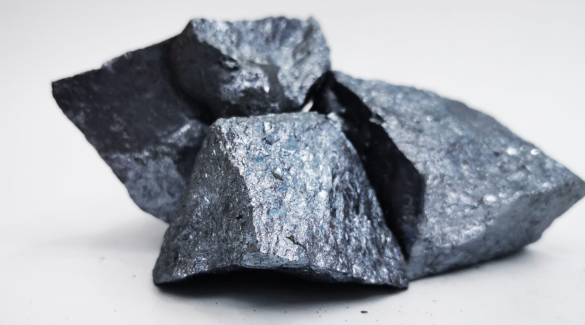
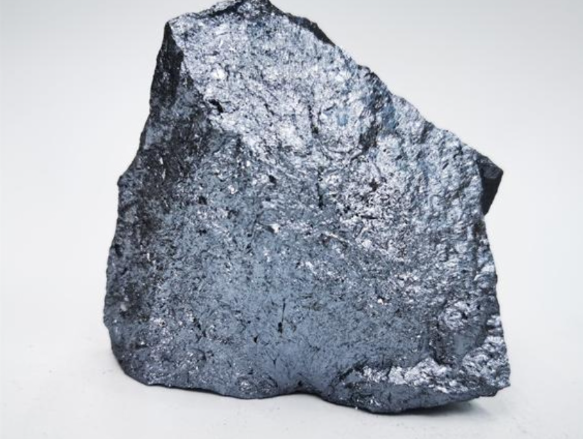
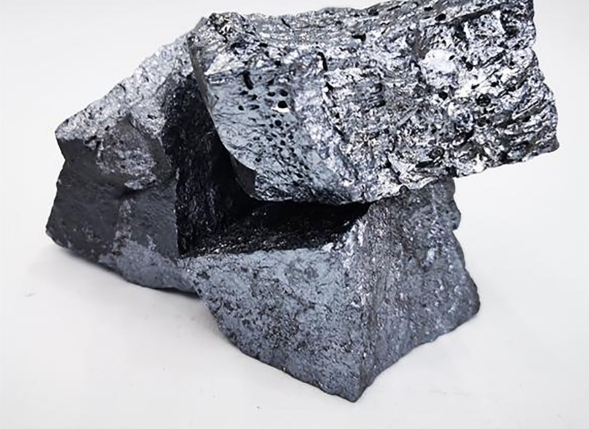
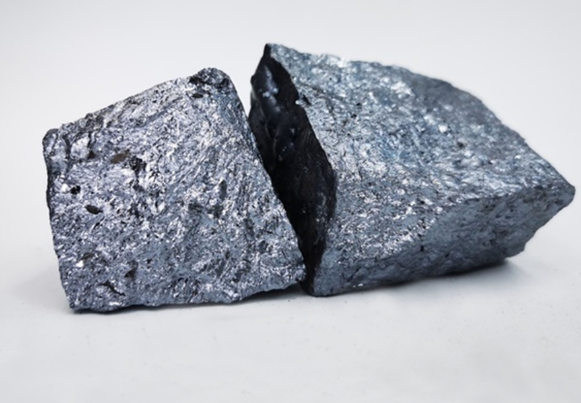
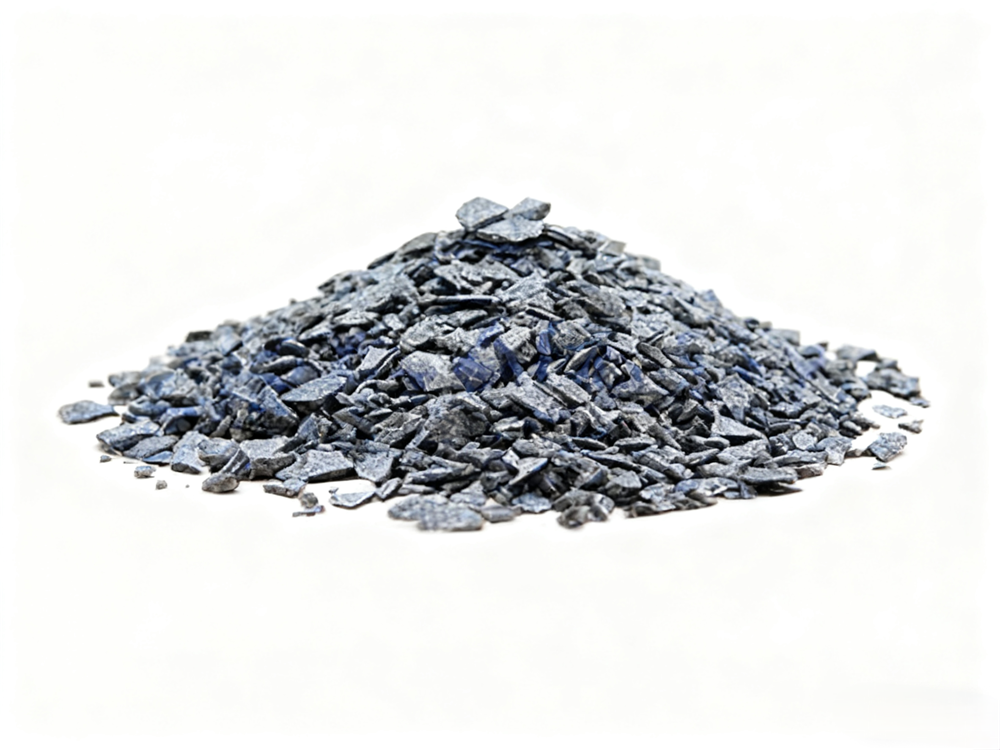
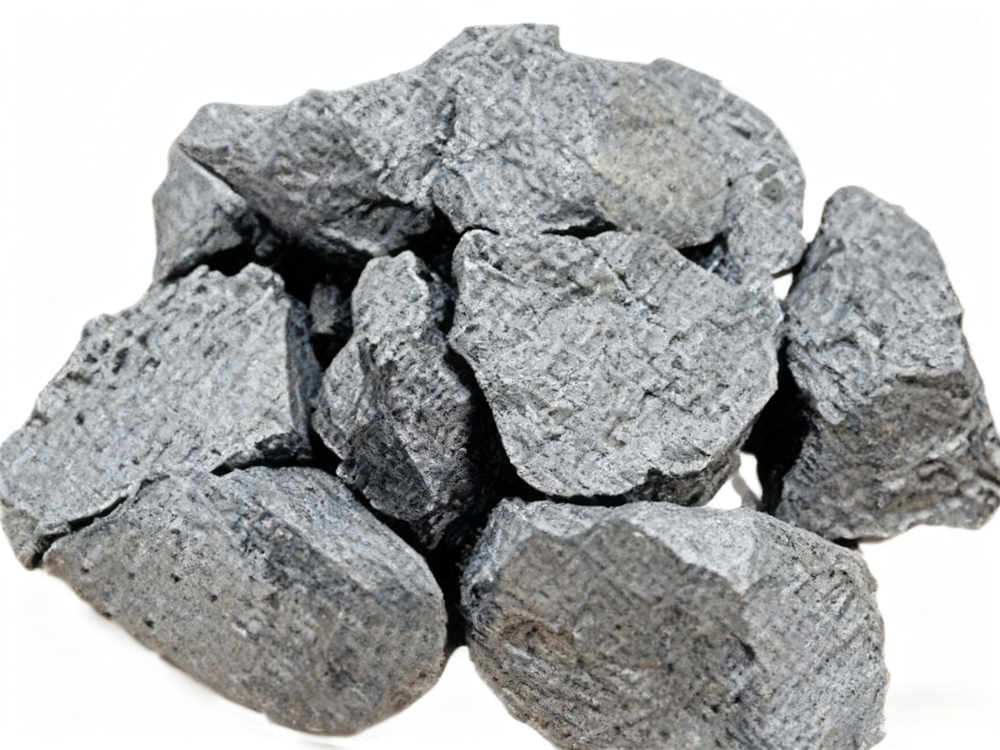
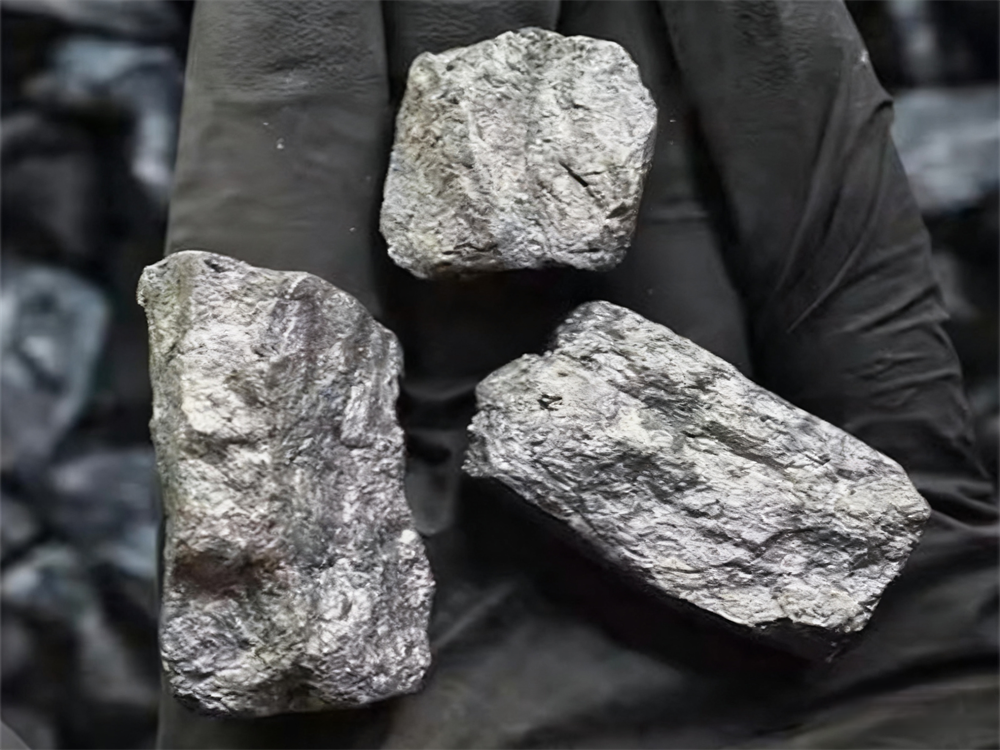
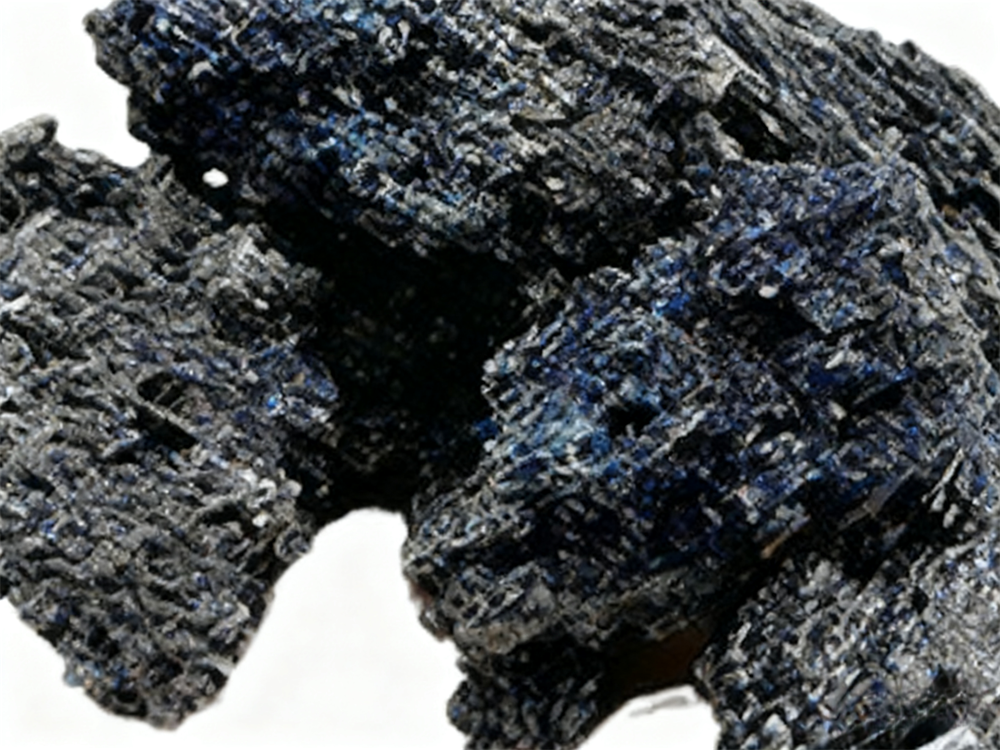
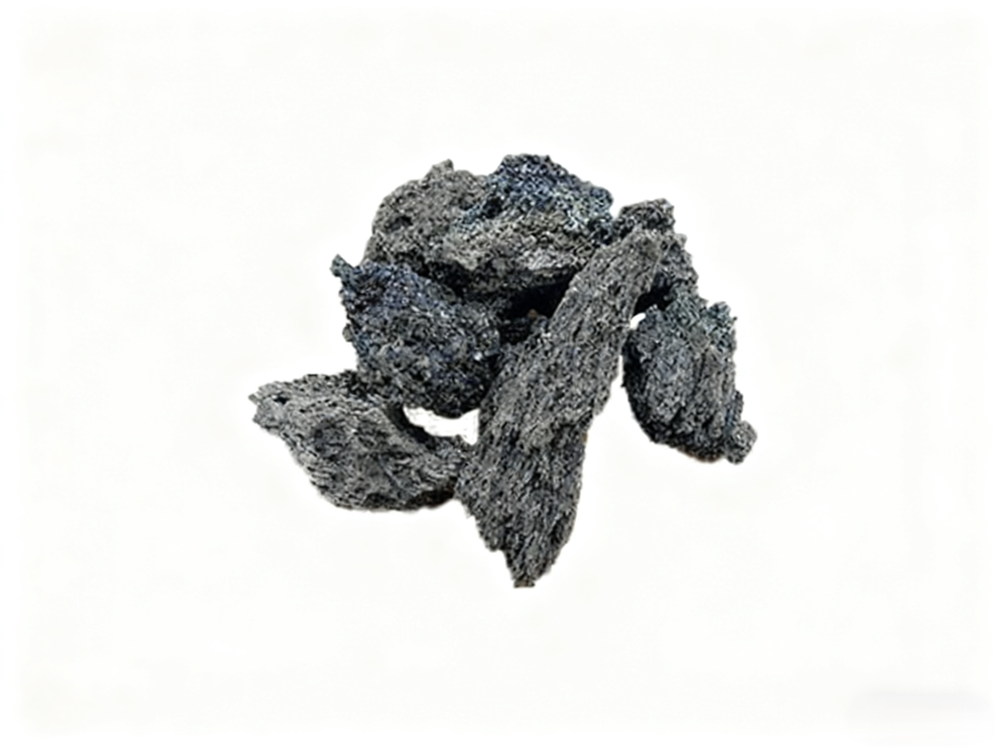
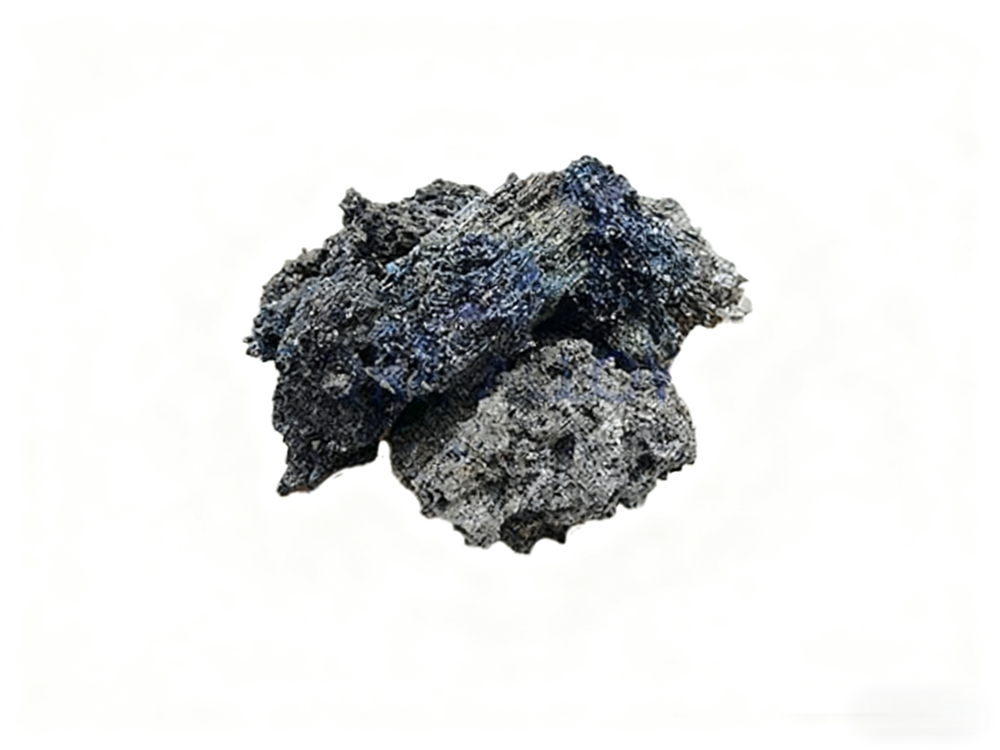
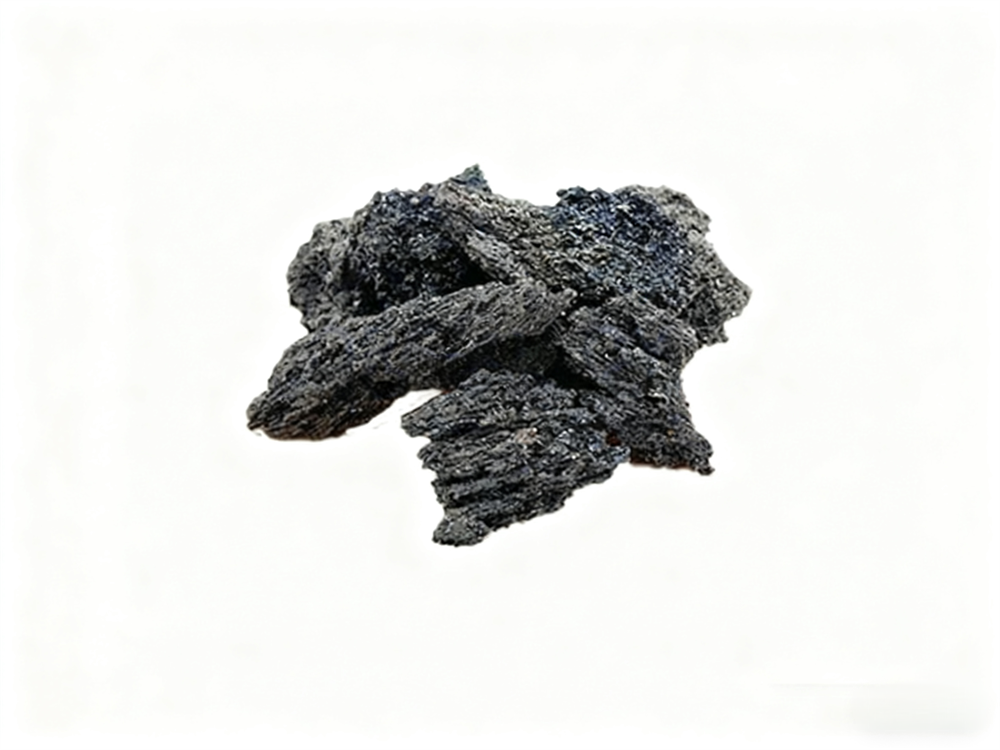
Silicon carbide (SIC) is made from quartz sand and carbon( anthracite coal tar or petroleum coke) in electric esistance furnace at high temperature. It has the characteristic of high hardness, excellent electrical and heat conductivity, low thermal expansion, and high abrasion resistance.
Silicon carbide has a rich variety of crystal structures, which endow it with unique properties. As mentioned before, the two main crystal structures are α-SiC and β-SiC. The different stacking sequences of carbon-silicon layers in these structures lead to differences in physical and chemical properties. For example, α-SiC with a hexagonal or rhombohedral structure often shows better high-temperature stability, while β-SiC with a cubic zinc blende structure may have some unique electrical properties in certain applications. In addition to the basic crystal structures, SiC also exists in a large number of polytypes, which further enrich its property spectrum.
| Trademark | QRF-Alloy |
| Product | Silicon carbide |
| Purity | 88% 90% 98% |
| Shape | Grit and Powder |
The preparation methods of silicon carbide are constantly evolving. In addition to the classic carbon reduction of silica and chemical vapor deposition, there are some new methods emerging. For instance, the self-propagating high-temperature synthesis (SHS) method can rapidly synthesize SiC. In this method, a mixture of raw materials (such as silicon powder and carbon powder) is ignited, and the exothermic reaction generated by the reaction itself can maintain the reaction process, quickly synthesizing SiC with relatively high efficiency. Another new method is the sol-gel method. By using silicon-containing and carbon-containing precursors to prepare a sol, and then through processes such as gelation, drying, and sintering, SiC with a more uniform microstructure can be obtained, which is beneficial for some high-precision applications.
Purity: 88%, 90%, 98%. Shape: Grit and Powder.




 English


 Related Products
 Product Message
 Description
 Technical Specifications
 Advantages
 FAQ
FAQ