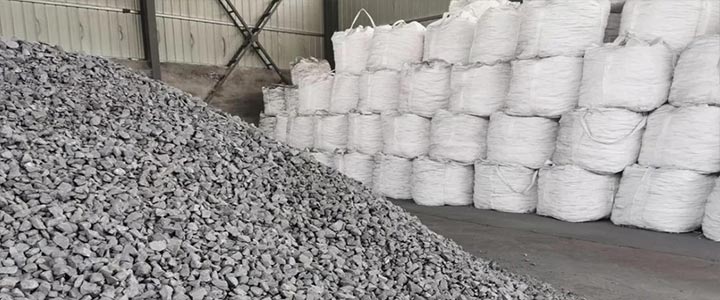
By analyzing the name, we can easily understand that Silicon Carbon Alloy's main components are silicon and carbon. Furthermore, both silicon and carbon are crucial metallic elements in steel and directly impact its quality. Therefore, Silicon Carbon Alloy is a very common steelmaking auxiliary material, replacing more expensive smelting materials and indirectly reducing steel production costs. Silicon Carbon Alloy on the market is classified not only by different grades based on its composition but also by its physical form, such as Silicon Carbon Alloy blocks and Silicon Carbon Alloy pellets.
While many people know that Silicon Carbon Alloy can be added in appropriate amounts during steelmaking, they are less clear about its specific role in steelmaking. To address this question, our company will summarize our years of understanding of Silicon Carbon Alloy and provide a brief explanation of its role in steelmaking. Silicon-carbon alloys primarily serve as deoxidizers during the steelmaking process, and this process does not generate a hydrogen source, ensuring safety and reliability. Carbon and silicon are key elements that determine the properties of steel. Silicon-carbon alloys not only react with oxygen in molten steel to deoxidize, but the remaining unoxidized carbon and silicon can also dissolve in the molten steel, increasing silicon and carbon content, achieving a dual purpose.
To obtain steel with the correct chemical composition and ensure quality, deoxidation is essential during steelmaking. The strong chemical affinity between silicon and oxygen in silicon-carbon alloys allows for both precipitation and diffusion deoxidation. Furthermore, adding a certain amount of silicon to steel can improve its strength, hardness, and elasticity. Overall, the addition of silicon-carbon alloys to steelmaking can shorten deoxidation time, save energy, reduce environmental pollution, and improve working conditions.


 English