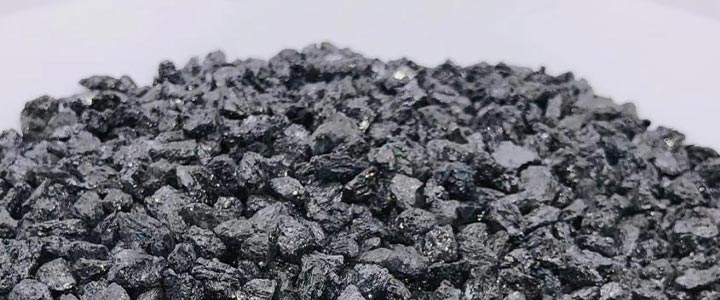
Silicon Carbide, a hot topic today, has been developing alongside semiconductor materials for decades. First-generation silicon semiconductors are nearly fully crystalline, and research on silicon materials is in-depth. Silicon-based devices have also undergone multiple generations of structural and technological optimization and updates, approaching the limits of silicon materials, and the potential for improving the performance of silicon-based devices is shrinking. Third-generation semiconductors such as gallium nitride and Silicon Carbide offer excellent physical properties, providing greater potential for further improving the performance of power electronics.
1. What is Silicon Carbide?
Silicon Carbide is a compound semiconductor material composed of silicon and carbon. It has a strong bond and is thermally, chemically, and mechanically stable. Silicon Carbide (polycrystalline) has various physical properties. 4H-SiC is suitable for power components. The following table compares silicon with other semiconductor materials frequently mentioned in recent years.
2. What are the uses of Silicon Carbide?
Third-generation semiconductor high-power electronic devices, represented by Silicon Carbide, are among the fastest-growing power semiconductor devices in the power electronics field. As a representative example of third-generation semiconductor materials, Silicon Carbide is a mature and widely used wide-bandgap semiconductor material in crystal production technology and device manufacturing, forming a global industrial chain encompassing materials, devices, and applications. It is an ideal semiconductor material for high-temperature, high-frequency, radiation-resistant, and high-power applications. Silicon Carbide power devices can significantly reduce the energy consumption of electronic devices, leading to their acclaimed status as green energy devices driving the new energy revolution.
3. Power electronics fields such as new energy vehicles and UPS. The new energy vehicle industry requires semiconductor power modules in inverters (i.e., motor drives) to have significantly higher reliability than conventional industrial inverters when handling high currents, and to offer improved heat dissipation in high-current power modules. Fast, high-temperature-resistant, and reliable Silicon Carbide modules fully meet the requirements of new energy vehicles. The miniaturization of these modules significantly reduces the power consumption of new energy vehicles, enabling them to operate normally even at temperatures of 200°C. Lighter and smaller devices reduce weight, minimizing energy consumption associated with the vehicle's inherent weight. Silicon carbide semiconductor materials not only play a significant role in energy conservation in new energy vehicles, but also offer excellent energy-saving and environmental benefits in power electronics applications such as high-speed rail, solar power, wind power, electric transportation, and uninterruptible power supplies (UPS).
4. They can reduce the size of electronic devices, with laptop adapters shrinking by 80% and substations shrinking to the size of a suitcase. This is what Silicon carbide semiconductors aim to achieve. With the country's emphasis on third-generation semiconductor materials, China's semiconductor materials market has grown rapidly in recent years. Silicon carbide-based materials have garnered significant attention. Despite this, industrial challenges remain.
The above is information on silicon carbide from a Silicon carbide manufacturer. For more information, please contact us.


 English