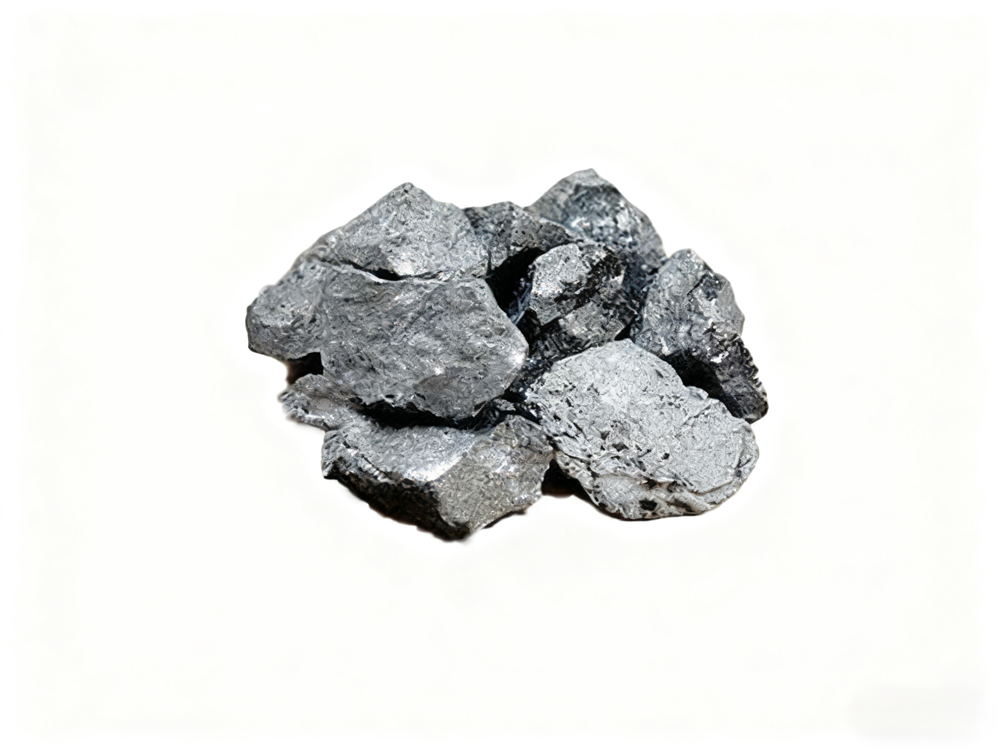
Silicon Calcium Alloy (Si-Ca Alloy)
Main components: Silicon (Si) an
d Calcium (Ca)
Primary functions: Deoxidation, desulfurization, and inclusion modification
Key characteristics:
High calcium activity
Improves steel cleanliness
Enhances mechanical properties and processing performance
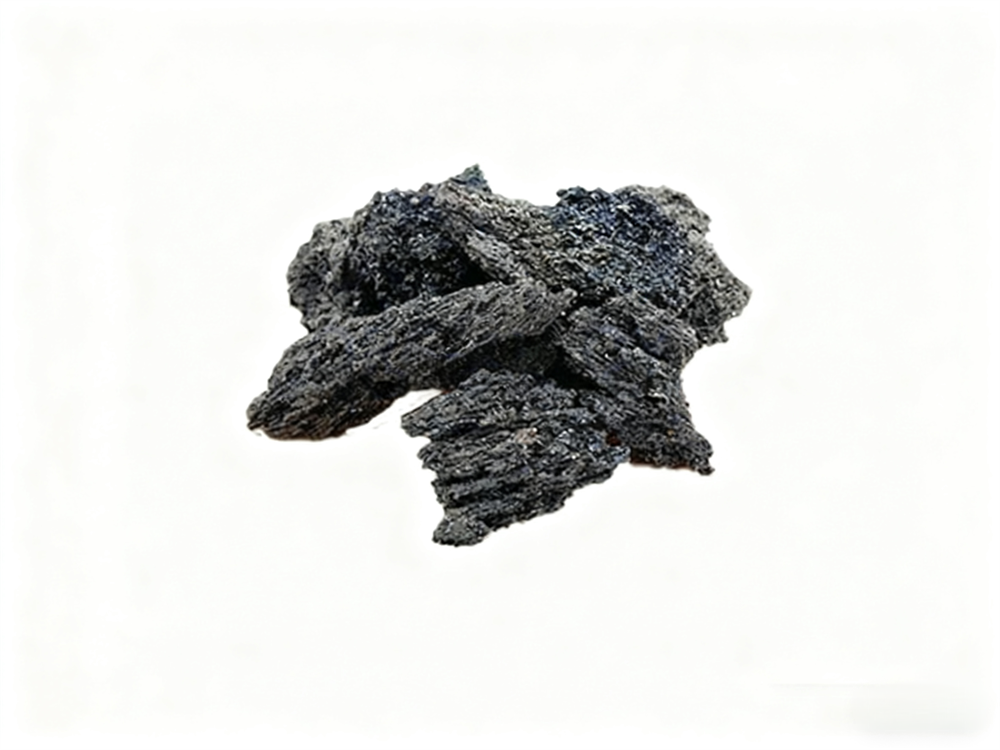
Silicon Carbon Alloy (Si-C Alloy)
Main components: Silicon (Si) and Carbon (C)
Primary functions: Silicon and carbon supplementation
Key characteristics:
Cost-effective alloy additive
Can partially replace ferrosilicon and carburizers
Stable performance in conventional steelmaking
👉 The core difference lies in functionality:
Calcium acts as a refining and purifying element, while carbon primarily serves as a composition-adjusting element.
There is no absolute superiority—the advantage depends on production objectives.
When the goal is to:
Improve molten steel
cleanliness
Modify non-metallic inclusions
Enhance final steel quality and performance
👉 Silicon Calcium Alloy offers clear advantages
When the goal is to:
Increase silicon and carbon content
Maintain cost efficiency
Support standard steelmaking or casting processes
👉 Silicon Carbon Alloy is the more suitable choice
From a technical perspective, Silicon Calcium Alloy functions as a performance-enhancing alloy, while Silicon Carbon Alloy serves as a compositional additive.
Although both alloys belong to the silicon-based alloy category, they are not direct substitutes.
Silicon Calcium Alloy is commonly used in:
High-quality st
eel
Special steel and stainless steel production
Processes requiring strict control of inclusions
Silicon Carbon Alloy is widely used in:
Conventional steelmaking
Foundry and casting industries
Applications focused on elemental adjustment and cost control
✔ Conclusion:
Silicon Calcium Alloy and Silicon Carbon Alloy may appear similar, but they play different metallurgical roles. Selecting the right alloy depends on process requirements, quality targets, and cost considerations.


 English