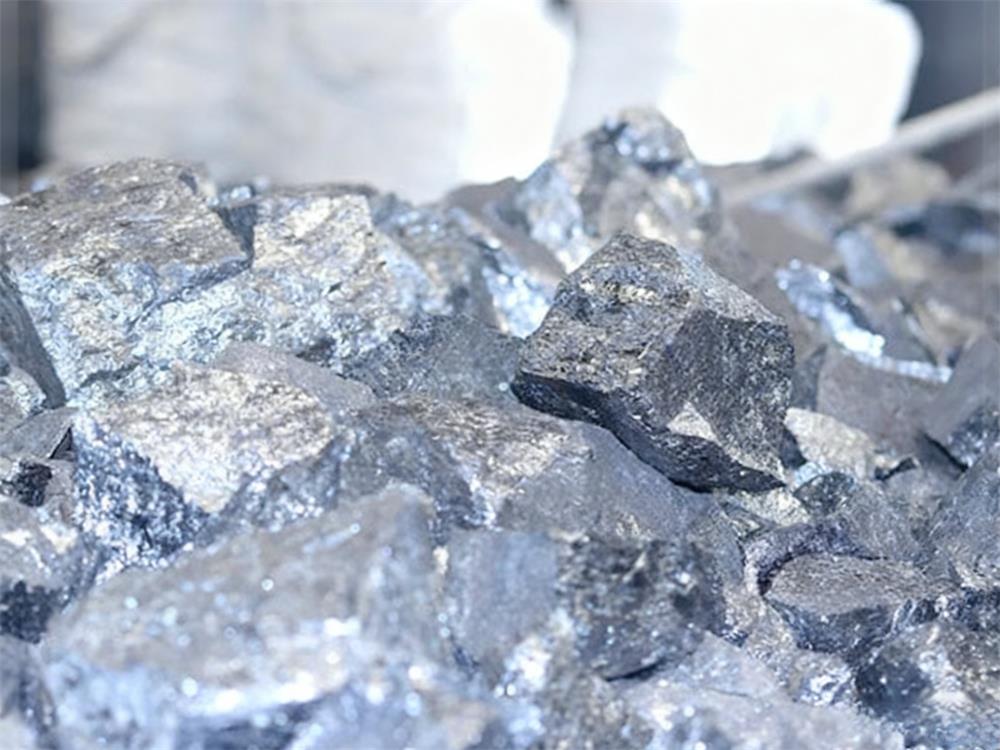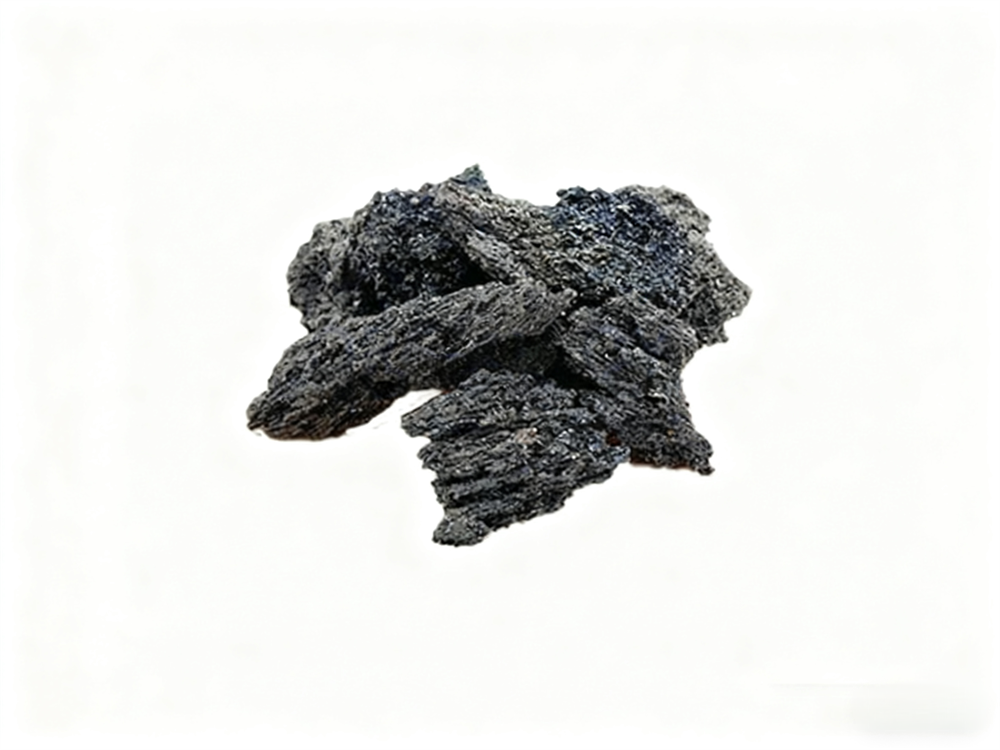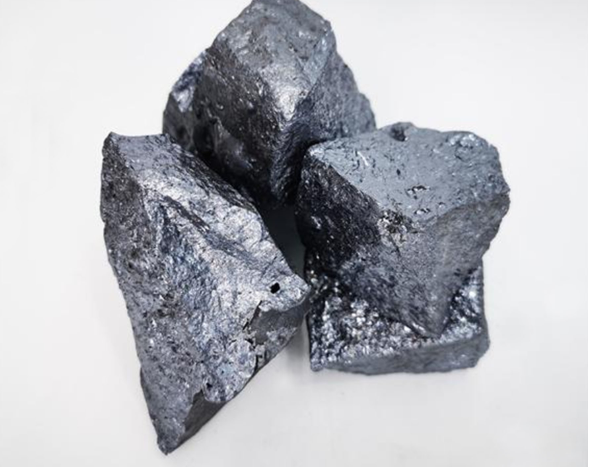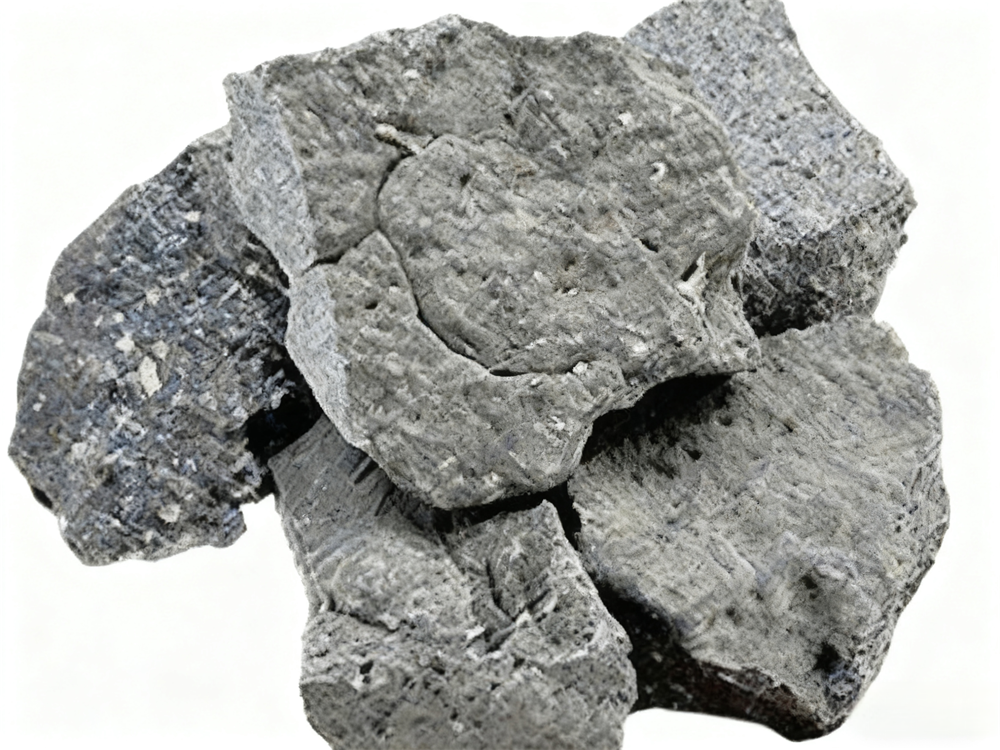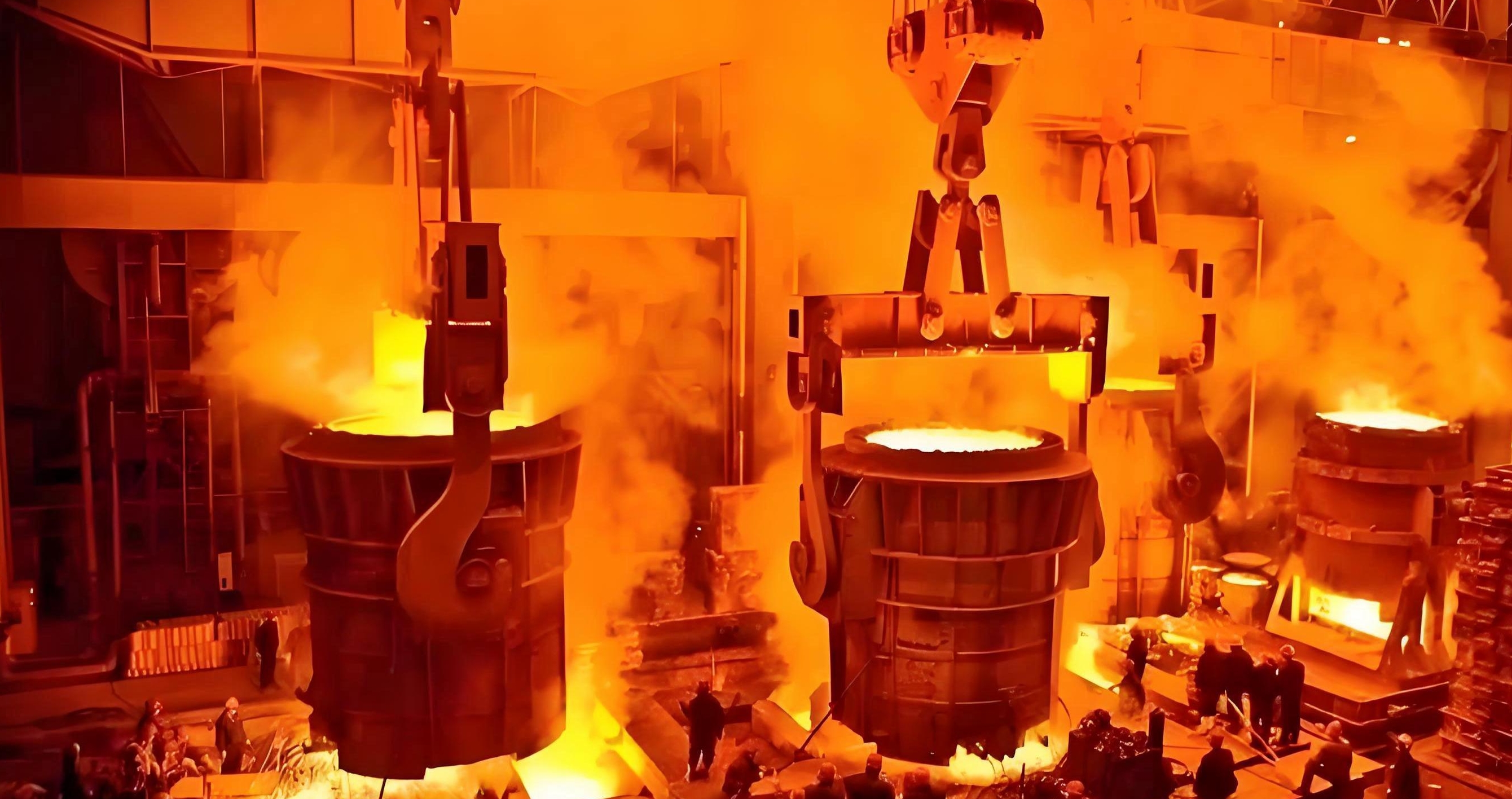
A ferroalloy manufacturer is a company that produces iron-based alloys such as Ferrosilicon, Ferromanganese, Ferrochrome, Silicon Carbide, and Silicon Metal for use in steelmaking, foundry, and alloy production. These materials are used to control chemical composition, improve mechanical properties, and enhance metallurgical efficiency.
Choosing the right ferroalloy manufacturer is important because ferroalloy quality directly affects steel purity, alloy recovery rate, and production cost. Poor-quality ferroalloys can lead to unstable chemistry, higher consumption, and inconsistent metallurgical performance.
A reliable ferroalloy manufacturer should operate submerged arc furnaces with stable power supply and controlled smelting processes.
Key indicators include:
Modern furnace equipment
Stable production capacity
Experienced technical team
These factors ensure consistent quality for products like Ferrosilicon and Ferrochrome.
High-quality ferroalloys must meet strict chemical standards. Buyers should look for:
Guaranteed main element content
Low phosphorus (P) and sulfur (S)
Stable batch-to-batch consistency
Products such as Silicon Carbide and Silicon Metal require especially tight impurity control.
Yes. A professional ferroalloy manufacturer should offer customized grades and particle sizes to match different metallurgical processes.
Common options include:
Lump, granule, and powder sizing
Application-specific chemistry
Technical usage recommendations
Customization helps improve alloy recovery and reduce overall consumption.
Raw material control is critical because ore quality directly affects ferroalloy purity and smelting efficiency.
A reliable manufacturer should have:
Stable raw material suppliers
Strict incoming material inspection
Full production traceability
This is especially important for High Carbon Ferromanganese and High Carbon Ferrochrome.
International buyers should look for manufacturers with:
ISO 9001 (Quality Management)
ISO 14001 (Environmental Management)
ISO 45001 (Occupational Health & Safety)
These certifications indicate standardized production and long-term reliability.
Export experience ensures smooth international trade, correct documentation, and reliable delivery.
A professional ferroalloy exporter should offer:
Export-standard packaging
FOB, CFR, and CIF shipping terms
Compliance with customs regulations
This reduces risk and total procurement cost for overseas buyers.
A good long-term ferroalloy supplier combines:
Stable quality and supply
Technical and after-sales support
Proven cooperation with steel mills
Strong suppliers act as technical partners, not just material vendors.
To choose the right ferroalloy manufacturer, focus on production capability, chemical consistency, customization, raw material control, certifications, export experience, and reputation.
The right partner helps improve metallurgical performance while controlling long-term costs.


 English